Key Takeaways:
- Being allergic to new mattress materials is less common than many people think, but surface contaminants and environmental factors can still trigger irritation.
- Most cases of new mattress skin reaction are linked to sensitivity rather than a true allergy.
- Early hygiene steps such as airing, vacuuming, and washing bedding play a major role in reducing mattress allergy symptoms.
- A deep clean of a new mattress is often a matter of preference rather than necessity, depending on comfort levels and household sensitivities.
- When irritation persists, professional cleaning support can help establish a cleaner baseline for better sleep comfort.
Goodnight, Sleep Tight?
A new mattress is usually associated with better sleep, improved support, and a fresh start for your bedroom. Yet for some people, the first few nights come with an unexpected issue: itching, redness, or general skin discomfort. This often leads to concerns about being allergic to new mattress materials, especially when symptoms appear suddenly after a purchase.
In many cases, the mattress itself is not defective or unsafe. Instead, skin irritation is often linked to hygiene-related factors surrounding how new mattresses are stored, transported, aired, and prepared for use. Understanding whether the reaction is an allergy or a sensitivity helps homeowners take appropriate steps early, reducing discomfort and avoiding unnecessary worry.
Why Skin Irritation Can Occur With a Brand-New Mattress
Although unused, new mattresses are rarely “clean” in a household sense. Before arriving at your home, they may spend weeks or months in warehouses, delivery vehicles, and sealed packaging. During this time, fine dust, fabric fibres, and environmental particles can accumulate on the surface.
Some mattresses may also release mild off-gassing when first unwrapped. While this is typically harmless, prolonged skin contact during sleep can contribute to a mattress sensitivity reaction, particularly for individuals with reactive or easily irritated skin. Combined with unwashed bedding or a lack of ventilation, these factors can create the conditions for a new mattress skin reaction within the first few weeks of use.
Allergy vs Sensitivity: How to Tell the Difference at Home
Not all skin irritation indicates that you are allergic to a new mattress. Understanding the difference can help determine whether hygiene measures are enough or whether further evaluation is needed.
Skin sensitivity usually appears on areas that come into direct contact with the mattress, such as the back, arms, neck, or legs. Symptoms may include mild itching, redness, or a prickly sensation. These often improve when sheets are changed, protective layers are added, or the mattress surface is cleaned and aired.
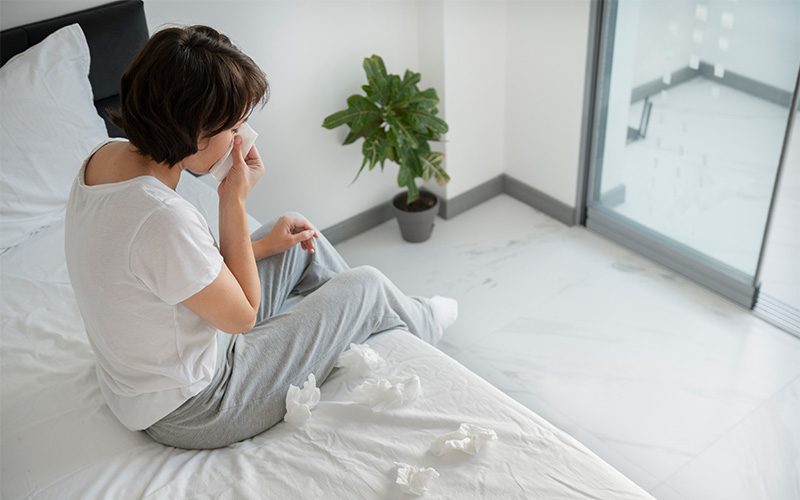
Allergic reactions tend to be more persistent and may extend beyond direct contact areas. Common mattress allergy symptoms can include sneezing, nasal congestion, itchy eyes, or irritation that does not ease even after leaving the bed. If multiple symptoms occur together, an underlying allergy is more likely.
Simple self-check steps include sleeping with freshly washed sheets and a mattress protector, airing and vacuuming the mattress before use, and temporarily reducing direct contact by adding an extra layer of protection. If symptoms improve, sensitivity linked to surface contaminants is usually the cause.
Where Cleaning Makes the Biggest Difference on a New Mattress
Targeted hygiene measures help reduce repeated exposure to irritants during sleep, especially for individuals who are concerned about being allergic to new mattress surfaces. The mattress surface should be gently vacuumed using a HEPA-filter vacuum to remove dust and fibres that may trigger skin discomfort. Mattress protectors and covers should also be washed before first use to create a clean barrier between skin and mattress materials.
Bedding and sheets should always be washed prior to use, even when new, to remove manufacturing residues. Surrounding bedroom areas also matter. Dust on bed frames, headboards, and floors can resettle onto the mattress, undoing cleaning efforts. Maintaining overall room cleanliness, whether independently or through cleaning services in Singapore, supports a more stable sleep environment.
When and How Often to Clean During the First Few Weeks
The first month of use plays an important role in settling a new mattress into a cleaner state. Before first use, airing the mattress in a well-ventilated space and vacuuming the surface helps reduce trapped particles. During the first few weeks, weekly washing of sheets and protectors is recommended.
Light vacuuming every two to four weeks keeps surface dust under control without stressing mattress materials. Ongoing bedroom upkeep is equally important. For households with limited time, hourly cleaning services in Singapore can help maintain consistency without overcleaning or disruption.
Is Mattress Deep Cleaning Necessary for a New Mattress?
One common misconception is that a new mattress does not require any cleaning because it has never been used. In reality, “new” refers only to prior ownership, not environmental exposure. Another concern is that all reactions mean you are allergic to the new mattress’s synthetic materials, when in fact many reactions are linked to dust, fibres, or residue on the surface.
Even so, concerns about being allergic to new mattress materials often lead homeowners to consider whether extra steps are needed. A professional mattress deep cleaning is usually optional rather than essential. It becomes more relevant for individuals with heightened sensitivities, households with pets, or homes with higher dust levels. Some homeowners also prefer a deep clean for peace of mind, especially if previous mattresses triggered discomfort or skin irritation.
When Professional Support Helps
If irritation persists despite consistent hygiene practices, deeper environmental factors may be contributing. Embedded dust in surrounding furnishings, upholstery, or carpets can continue circulating allergens within the bedroom. Addressing only the mattress may not be enough in such cases.
Contact us to find out how our upholstery deep cleaning service can support a cleaner, more comfortable home environment. By targeting embedded dust, allergens, and everyday buildup across fabric furnishings, our fabric-safe methods help create a fresher baseline for better rest and peace of mind.