
Introduction
Musty smells are a common concern in Singapore homes, where high humidity, compact living spaces, and limited air circulation often create the perfect environment for odours to develop. These odours are often more than simple discomfort.
When left unaddressed, the scent lingers in a bedroom, wardrobe, bathroom, or behind the air conditioning unit, and it can quickly make a home feel stale and uncomfortable.
Removing musty smells early is important, especially in homes where moisture builds up quietly over time. It also plays a role in maintaining a healthier indoor environment, particularly for individuals sensitive to air quality.
Understanding why these odours form in HDB flats and condominiums is the first step toward removing musty smells effectively and restoring a fresher, more liveable space.
What Does a Musty Smell Actually Feel Like?
A musty smell is often described as a damp, slightly sour scent that lingers in the air rather than passing through it. It is the kind of smell you notice when opening a wardrobe that has been closed for weeks, or walking into a room that feels heavy and stale after being shut all day.
It can resemble the scent of old paper, wet fabric that never fully dried, or a faint, earthy note reminiscent of a damp storeroom. In some cases, it carries a soft, mould-like undertone that becomes more noticeable in enclosed spaces.
Unlike sharp or strong odours, mustiness tends to sit quietly in the background. It clings to cushions, curtains, and clothing, creating a persistent layer of stale air that makes a space feel less fresh, even when it looks clean. This is why removing musty smells often requires more than surface cleaning, as the odour is usually embedded within materials rather than floating freely in the air.
Over time, the smell may also feel heavier or more noticeable during humid periods, especially after rain or in the evenings when airflow is limited. This lingering quality is what makes musty odours particularly stubborn and harder to ignore in daily living spaces.
Key Takeaways
- Removing musty smells starts with controlling moisture, not masking odours. Airflow, drying, and targeted cleaning matter more than fragrances.
- Singapore’s humidity means even clean homes can develop stale odour indoors, especially during the rainy season or in enclosed rooms.
- Soft furnishings, wardrobes, and air conditioning systems often trap odours deeper than surface cleaning can reach.
- Consistent upkeep and targeted interventions are more effective than one-off deep cleaning alone.
- When odours persist, structured support such as a professional cleaning service helps address hidden moisture and maintain long-term freshness.
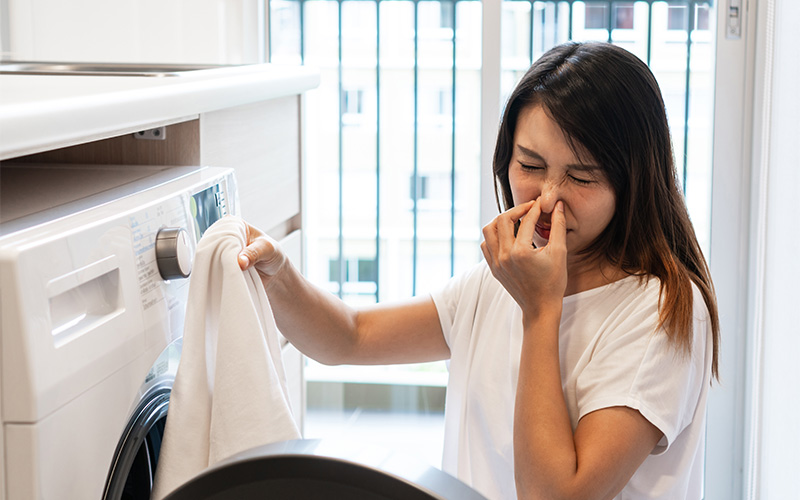
Removal of Musty Smells: Why They Form in Singapore Homes
How Do Musty Smells Form? The Simple Science Behind It
Before looking at why Singapore homes are more prone to the issue, it helps to understand how musty smells develop in the first place.
At its core, a musty smell forms when moisture, organic material, and limited airflow come together. Everyday materials such as fabric, wood, paper, and even dust contain organic particles. When these materials absorb moisture from the air, they create a suitable environment for microscopic organisms like mould and mildew to grow.
As these microorganisms break down organic matter, they release compounds known as microbial volatile organic compounds (mVOCs). These are what produce the familiar damp, earthy scent associated with mustiness. The smell itself is not just from “wetness” but from a slow biological process occurring at the microscopic level.
Airflow plays a crucial role in this cycle. In well-ventilated spaces, moisture evaporates more quickly, and these compounds are dispersed before they build up. In enclosed or poorly ventilated areas, however, moisture lingers, and odour particles accumulate, making it more difficult to remove musty smells over time.
Temperature also contributes. Warm conditions accelerate microbial activity, meaning that in consistently warm environments, odours can develop faster even with small amounts of moisture.
In simple terms, musty smells are not caused by a single factor. They are the result of time, trapped moisture, and the gradual breakdown of everyday materials. Understanding this makes it easier to see why the problem can develop quietly, even in homes that are cleaned regularly.
Is This the Same as the Smell on Clothes When They Do Not Dry Properly?
Yes, musty smells in homes come from the same process, happening on a smaller scale.
When clothes are left damp for too long, especially indoors or in humid conditions, moisture can become trapped in the fabric.
This creates an ideal environment for bacteria and mildew to grow. As they break down residues from sweat, detergents, and fabric fibres, they release the same odour-causing compounds found in musty rooms.
That familiar “wet laundry” smell is therefore a concentrated version of what happens across a home over time.
The key difference here is scale.
With clothing, the smell develops quickly and is easier to isolate. In a home environment, the process is slower, more spread out, and often harder to detect until it becomes persistent.
Humidity and Moisture Accumulation
Singapore’s climate creates the perfect conditions for stubborn musty smells. With humidity often exceeding 70 per cent, moisture easily settles into fabrics, walls, and wooden fixtures. The conducive environment for moisture makes removing these musty smells a recurring challenge.
This is especially noticeable during periods of home odour during the rainy season, when dampness lingers longer indoors. Laundry that dries slowly, condensation behind furniture, and trapped moisture in wardrobes all contribute to the familiar smell.
Over time, this moisture feeds microbial growth and causes a persistent smell of humidity in HDB flats, particularly in enclosed bedrooms and storage spaces.
Poor Air Circulation in HDB and Condo Layouts
Many homes rely heavily on closed windows and air conditioning throughout the day. While practical, this reduces natural ventilation and allows stale air to settle.
In tight layouts, airflow rarely reaches corners behind wardrobes, under beds, or inside built-in carpentry. These areas quietly accumulate moisture, making it more difficult to remove musty smells once odours have settled in.
Bathrooms and storerooms are especially vulnerable. Without proper ventilation, trapped steam and dampness create pockets of stale air that gradually spread across the home.
Hidden Moisture and Everyday Living Habits
Beyond visible dampness, daily habits contribute to stale odour indoors more than most realise.
- Wearing slightly damp clothing indoors
- Leaving bathroom doors closed after showers
- Storing shoes or laundry without full drying
- Rarely moving large furniture for cleaning
These patterns allow moisture to accumulate gradually. As a result, removing musty smells becomes harder over time because the odour source is embedded deeper within materials and surfaces.
Why Ignoring Musty Smells Can Be Problematic
A musty smell often signals trapped moisture rather than just surface dirt. Ignoring it allows the issue to spread across multiple areas of the home.
Over time, removing musty smells may require more intensive intervention, especially if odours have settled into upholstery, mattresses, or built-in carpentry.
For individuals sensitive to indoor air quality, prolonged exposure to damp air may also affect comfort and sleep quality. Early action keeps the problem manageable and prevents escalation.
While this does not mean every musty smell leads to health issues, it highlights the importance of maintaining a clean and well-ventilated living space.
Ignoring the problem allows moisture and odours to build up gradually. Addressing it early makes removing musty smells more manageable and helps keep the home comfortable over the long term.
Are Musty Smells a Sign of Poor Hygiene?
It is a common assumption that musty smells come from poor housekeeping or clutter, but this is not always the case. In Singapore, environmental conditions play a much larger role. High humidity, limited airflow, and compact layouts can cause odours to develop even in well-maintained homes.
A clean and organised space can still experience dampness behind furniture, inside wardrobes, or within soft furnishings. These areas are not exposed to regular airflow, allowing moisture to settle and linger over time.
Clutter can make the problem harder to manage by blocking ventilation or trapping humidity, but it is not a direct cause. Similarly, regular cleaning helps reduce surface dirt, but it does not always address moisture already absorbed into materials.
Removing musty smells is more than ownership habits. It is about understanding how moisture behaves in enclosed indoor environments. With the right approach, every home can stay fresh despite Singapore’s naturally humid climate.
Simple Ways to Freshen Your Space
Improve Airflow and Sunlight Exposure
The most effective way to remove musty smells is to improve ventilation.
Opening windows daily allows trapped humidity to escape and replaces stale indoor air. Even a few hours of cross-ventilation can significantly improve air quality.
For homes with limited airflow, learning how to freshen damp rooms often involves combining natural ventilation with mechanical solutions such as fans or dehumidifiers.
Sunlight also plays a role. It helps dry surfaces and discourages microbial growth, especially on bedding, cushions, and rugs.
Target Odour Hotspots Around the Home
Removing musty smells requires focusing on where odours collect most:
- Wardrobes and shoe cabinets
- Sofas, curtains, and carpets
- Mattresses and upholstered furniture
- Aircon filters and vents
Soft furnishings tend to absorb moisture and odours deeply. This is where solutions like sofa deep cleaning in Singapore become relevant, especially when smells persist despite surface cleaning.
Regularly cleaning these areas prevents odours from settling and spreading across the home.
Use Simple, Home-Friendly Deodorisers
Natural solutions can support the removal of musty smells effectively:
- Baking soda for absorbing odours
- Charcoal bags for moisture control
- White vinegar for neutralising smells
These are especially useful in enclosed spaces such as wardrobes or cabinets. However, they work best as maintenance tools rather than complete solutions for deeply embedded odours.
Consistency matters. Replacing or refreshing these materials regularly ensures they remain effective over time.
Establish a Cleaning Routine That Matches Your Lifestyle
One-off cleaning helps, but consistency is key when removing musty smells in Singapore homes.
Regular upkeep through weekly home cleaning services can prevent moisture build-up before it becomes noticeable. These services typically follow a structured, systematic approach, using detailed checklists and trained processes to ensure that commonly overlooked areas such as behind furniture, under beds, and within storage spaces, are properly addressed.
For busy households, hourly cleaning services offer flexible support for maintaining freshness without disruption. Despite the shorter sessions, they still use professional methods and targeted cleaning techniques to effectively manage moisture-prone zones.
Unlike casual DIY cleaning, these services often incorporate specialised tools and a more methodical workflow. This allows them to reach “hidden moisture” areas where dampness quietly accumulates, such as upholstery layers, aircon filters, and enclosed carpentry spaces.
Structured routines ensure that hidden areas are addressed before odours settle in.
When to Consider a Professional Approach
If odours persist despite your efforts, it may be time to consider a professional cleaning service.
Professional cleaning goes beyond visible surfaces. It targets embedded dirt, trapped moisture, and areas that are difficult to reach with standard tools.
For many households, this step is essential to fully remove musty smells, especially when the issue has developed over time.

Can You Measure Mustiness Without Relying on Smell?
While smell is the most obvious indicator, there are more reliable ways to assess dampness:
Hygrometers (Humidity Meters)
A hygrometer measures indoor humidity levels. Readings above 60 per cent indicate conditions in which removing musty smells may be necessary.
Moisture Meters
These devices detect moisture within walls, wood, and furniture. They help identify hidden damp areas before odours become noticeable.
Visual and Physical Indicators
- Condensation on windows
- Peeling paint or warped wood
- Damp patches behind furniture
These signs often appear before strong odours develop, making early removing musty smells more manageable.
Realistic Expectations From Cleaning
It is important to understand what cleaning can and cannot achieve.
- Light cleaning improves freshness temporarily, but may not remove deep odours
- Ventilation reduces humidity but does not eliminate embedded smells
- Natural deodorisers help maintain freshness, but do not treat root causes
Removing musty smells fully often requires a combination of these methods over time. In some cases, deeper cleaning or repeated maintenance is necessary for lasting results.
Frequently Asked Questions
1. Why does my home still smell musty after cleaning?
Surface cleaning may not reach odours trapped in fabrics, furniture, or enclosed spaces. Removing musty smells often requires deeper cleaning and better ventilation.
2. Which areas are most prone to musty smells?
Wardrobes, bedrooms, sofas, carpets, and bathrooms are common areas where moisture and odours accumulate.
3. Is it safe to stay in a musty room?
Occasional exposure may not be harmful, but prolonged exposure can affect comfort and air quality, especially in enclosed spaces.
4. How often should I clean to prevent musty smells?
Regular upkeep several times a week, combined with periodic deep cleaning, helps prevent odours from forming.
Conclusion
Removing musty smells in Singapore homes is not a one-step fix. It requires a combination of airflow, consistent cleaning, and attention to hidden moisture.
With the right approach, even persistent odours can be managed and reduced over time. For households with busy schedules or recurring issues, G Journey offers structured cleaning support that helps maintain a fresher, more comfortable home.
Reach out today to explore how a tailored cleaning plan can support long-term freshness and make removing musty smells a routine part of everyday living.