Key Takeaways:
- Learning how to clean a microfibre cloth properly helps preserve absorbency and cleaning performance.
- Heat, detergent residue, and improper washing are the main causes of fibre damage.
- Avoid common microfibre cloth cleaning mistakes, such as mixing fabrics or using softeners.
- Proper washing and drying methods can significantly extend the lifespan.
- Consistent care improves hygiene, especially in Singapore’s humid environment.
Why Proper Cleaning Matters
Microfibre cloths are designed to trap dirt, grease, and fine particles far more effectively than ordinary cloths. Their performance depends on thousands of tiny split fibres that can be easily damaged by improper washing.
Understanding how to clean a microfibre cloth correctly helps preserve absorbency, prevent odours, and extend its usable life. In Singapore’s humid climate, where moisture and bacteria build up quickly, proper care becomes even more important for maintaining hygiene.
What Is a Microfibre Cloth?
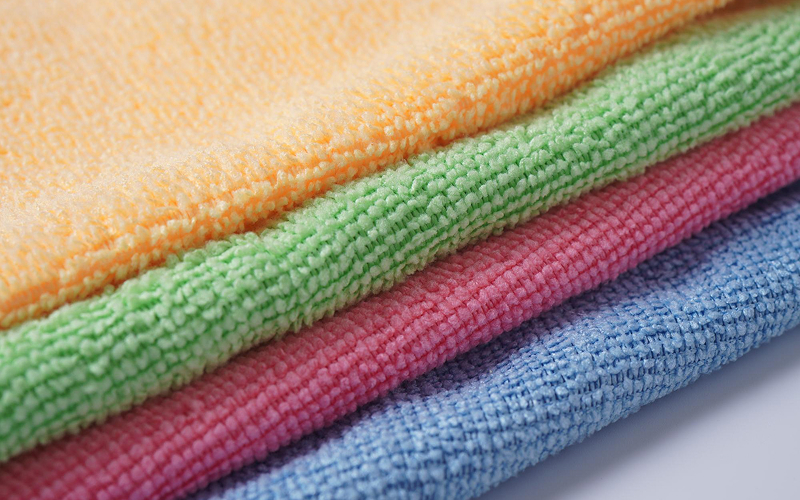
A microfibre cloth is a cleaning cloth made from extremely fine synthetic fibres, typically a blend of polyester and polyamide (nylon). These fibres are much thinner than a human hair and are split during manufacturing, creating a dense surface of tiny strands.
This split-fibre structure allows the cloth to:
- Trap dust, dirt, and bacteria more effectively
- Absorb water and oils efficiently
- Clean surfaces with minimal or no chemical products
Because of this design, microfibre cloths are known for their strong cleaning performance compared to regular cotton cloths.
What Are Microfibre Cloths Used For?
Microfibre cloths are widely used across homes, workplaces, and professional cleaning settings due to their versatility.
1. General Household Cleaning
Used for wiping surfaces such as tables, countertops, and appliances. They lift dust and grime without leaving residue.
2. Glass and Mirror Cleaning
Ideal for streak-free cleaning of windows, mirrors, and glass panels, as the fine fibres reduce smearing.
3. Kitchen and Grease Removal
Effective at removing oils and food residue from stovetops, sinks, and cabinets without excessive detergent.
4. Bathroom Cleaning
Used to clean tiles, taps, and shower areas, helping to remove water marks and soap residue.
5. Electronics and Delicate Surfaces
Suitable for screens, lenses, and other sensitive surfaces where scratching must be avoided.
6. Car and Vehicle Cleaning
Commonly used for washing, drying, and polishing vehicles due to their ability to lift dirt without damaging paintwork.
Microfibre cloths are valued not just for their cleaning ability, but for how efficiently they work with less water and fewer chemicals. However, due to its delicate nature, proper care is essential to maintain their performance over time.
Microfibre Cloths Are Delicate by Design
Microfibre cloths work because their fibres are extremely fine and split, allowing them to lift and hold dust and grime. This same structure also makes them sensitive to heat, residue, and friction.
Why Care Matters
- High heat exposure on microfibre cloth can melt or deform fibres
- Residue from detergents or softeners clogs fibre gaps
- Improper care reduces absorbency and cleaning effectiveness
Treating microfibre like a regular cloth shortens its lifespan and limits its ability to clean effectively. This is why understanding how to clean a microfibre cloth is essential rather than optional.
Common Washing Mistakes That Ruin Microfibre Cloths
Many cloths lose their effectiveness due to everyday habits that seem harmless.
Mistakes to Avoid When Cleaning Microfibre Cloth
- Washing with cotton items, which shed lint that sticks to fibres
- Using fabric softener care products that coat microfibre cloth
- Using bleach, which weakens the structure of microfibre cloth
- Using heavy detergents or excessive soap
- Washing or drying with high heat settings on microfibre cloth
These mistakes leave cloths streaky, greasy, or unable to pick up dust properly. Over time, they reduce the cloth’s ability to perform even basic cleaning tasks.
How to Clean a Microfibre Cloth Properly (Step-by-Step)
Knowing exactly how to clean a microfibre cloth ensures that the fibres remain intact and effective.
Step-by-Step Cleaning Guide
- Shake out debris
Remove loose dust and dirt before washing - Separate from other fabrics
Wash microfibre items on their own to avoid lint transfer - Use mild detergent only
A small amount is sufficient. Avoid heavy or scented formulas - Skip softeners and bleach
These damage or coat the fibres, reducing performance - Wash in cool or warm water
Avoid hot water, which can affect the fibre structure - Dry correctly
Air dry where possible, or tumble dry on low heat
Following these steps helps maintain softness, absorbency, and durability over time.
For households that require frequent upkeep, engaging a home cleaning service can help ensure cloths and tools are used appropriately across different surfaces.
How Singapore’s Climate Affects Microfibre Cloth Care
Singapore’s warm and humid weather plays a significant role in how microfibre cloths behave after use.
Key Local Factors to Consider
- Humidity traps moisture
Damp cloths can develop odours quickly if not dried properly - Frequent cleaning cycles
Daily wiping of surfaces increases wear and washing frequency - Indoor drying challenges
Limited ventilation in some homes can slow drying
Because of these conditions, it is important to wash and dry the cloths promptly. Leaving damp cloths in enclosed spaces can lead to bacterial growth, even if the cloth was recently cleaned.
This makes consistent cleaning of a microfibre cloth especially relevant in Singapore households.
Lifespan of Microfibre Cloths and When to Replace Them
Even with proper care, microfibre cloths do not last indefinitely.
Typical Lifespan
- Well-maintained cloths can last 200–500 washes
- Cloths used for grease or heavy-duty cleaning wear out faster
Signs It Is Time to Replace
- Cloth no longer absorbs water effectively
- Persistent odour remains after washing
- Fibres feel stiff or slick instead of soft
- Cloth leaves streaks instead of lifting dirt
Once fibres are permanently damaged or clogged, washing will not restore their effectiveness.
For households that prefer consistent results without managing replacements, professional cleaning in Singapore can help maintain higher hygiene standards with properly maintained tools.
How Proper Care Improves Cleaning Results
Microfibre cloths are designed to clean without leaving residue. When maintained correctly, they:
- Lift dirt instead of spreading it
- Reduce the need for excessive cleaning products
- Deliver streak-free finishes on glass and surfaces
However, when poorly maintained, they can do the opposite. Understanding how to keep a microfibre cloth clean ensures that each use remains effective rather than counterproductive.
For busy households, supplementing routine upkeep with hourly cleaning services can help maintain consistency, especially for high-use areas like kitchens and bathrooms.
Maintain Performance With the Right Care
Cleaning a microfibre cloth properly is a small step that makes a noticeable difference in your overall cleaning results. With the right washing methods and habits, these cloths can remain effective, hygienic, and long-lasting.
At G Journey, we understand that maintaining cleaning standards requires time and consistency. Our trained cleaners use well-maintained tools suited for each task, ensuring surfaces are cleaned safely and effectively.
If you are looking to maintain a cleaner, more hygienic home without the guesswork, contact us today to explore a cleaning approach that fits your routine.