Key Takeaways:
- Learning how to wash pillows correctly helps remove sweat, oils, dust mites, and allergens that accumulate over time.
- Most households should follow a consistent pillow washing frequency of every three to six months.
- The correct cleaning method varies depending on pillow material, especially when washing pillows at home.
- Routine pillow cleaning improves sleep hygiene and reduces the build-up of irritants near the face and airways.
- When deeper cleaning is required, homeowners may consider assistance from a professional cleaning service to maintain bedding hygiene.
Understanding Why Pillows Need Regular Cleaning
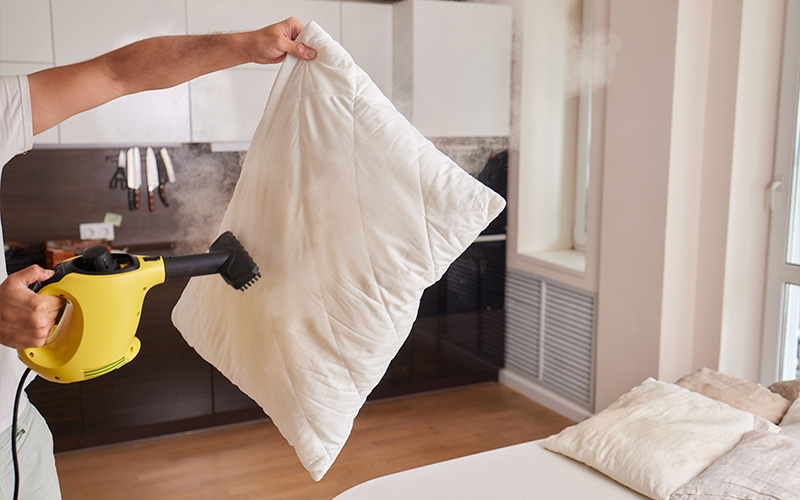
Pillows play a direct role in sleep hygiene, skin health, and allergy control. Each night, they absorb sweat, skin cells, dust mites, and natural oils, even when protected by pillowcases. Over time, these contaminants accumulate within the filling, making pillows less hygienic and potentially contributing to allergies or skin irritation.
Understanding how to wash pillows properly helps maintain a cleaner sleep environment while extending the lifespan of your bedding. Regular cleaning also prevents the gradual build-up of odours and allergens that may affect sleep quality.
This guide explains why pillows require regular care, the recommended cleaning schedule, and the safest ways to wash different pillow materials. It also highlights when pillows should be replaced rather than cleaned, helping homeowners maintain a healthier bedroom environment.
Why Pillows Need Regular Washing for Hygiene
Although pillows may appear clean on the surface, they absorb moisture and microscopic debris every night. Sweat, natural oils, and skin cells gradually penetrate through pillowcases and settle within the pillow’s internal layers.
Over time, this creates conditions that allow dust mites and bacteria to thrive. For individuals with allergies or sensitive skin, this can contribute to congestion, irritation, or disrupted sleep. Even in well-maintained homes, pillows naturally accumulate contaminants simply through everyday use.
Routine cleaning removes these substances before they become deeply embedded. Effective pillow care also improves overall bedroom hygiene, especially when combined with regular bedding maintenance and house cleaning services in Singapore that focus on maintaining a clean sleeping environment.
Maintaining pillow hygiene is therefore not only about appearance but also about reducing long-term exposure to allergens close to the face and respiratory system.
How Often Should You Wash Pillows?
A structured cleaning schedule helps prevent the gradual accumulation of oils, sweat, and allergens. Most households benefit from maintaining a consistent pillow washing frequency based on lifestyle and environmental factors.
General Cleaning Guidelines
Every 3 to 6 months
Most pillows should be washed at least twice a year to maintain hygiene and remove embedded contaminants.
Every 2 to 3 months
Individuals who sweat heavily, have allergies, or live in humid climates may need to clean pillows more frequently.
Weekly
Pillowcases and protective covers should be washed weekly to prevent oils and dust from transferring directly into the pillow.
Regular washing prevents the gradual build-up that becomes more difficult to remove over time. It also helps maintain a fresher sleeping surface and improves the effectiveness of routine bedding care.
How to Wash Pillows Safely
Understanding how to wash pillows safely depends largely on the type of pillow filling. Different materials react differently to moisture, agitation, and drying methods, so using the appropriate cleaning technique helps prevent damage.
Synthetic and Down Pillows
Many synthetic and feather pillows can be machine washed.
- Use a gentle washing cycle with warm water.
- Add a mild detergent to avoid leaving residue in the filling.
- Rinse thoroughly to remove soap build-up.
- Dry completely using low heat with dryer balls to help restore shape.
Proper drying is essential, as trapped moisture may lead to mould or unpleasant odours.
Memory Foam and Latex Pillows
Memory foam and latex pillows should not be machine-washed. The internal structure can break down when exposed to excessive moisture and agitation.
Instead:
- Spot clean stains using a damp cloth and mild detergent.
- Allow the pillow to air dry completely in a well-ventilated area.
- Avoid soaking or compressing the material.
Regular airing helps maintain freshness between deeper cleaning cycles.
Pillows That Cannot Be Washed
Some decorative or specialty pillows may not be washable.
For these pillows:
- Vacuum the surface using a fabric attachment.
- Air them out in a well-ventilated space.
- Rotate them regularly to reduce moisture retention.
For households that prefer assistance with delicate bedding items, hourly cleaning services in Singapore may also help maintain general bedroom cleanliness and reduce dust accumulation.
Signs Your Pillow Needs Immediate Cleaning
While following a routine cleaning schedule is helpful, certain signs indicate that pillows may require immediate attention.
Watch for the following indicators:
- Persistent odours even after airing out
- Visible yellowing or stains
- Increased allergy symptoms during sleep
- A damp or musty smell from retained moisture
These signs often indicate that oils, sweat, and dust have accumulated inside the pillow’s internal layers. Prompt cleaning helps prevent the problem from worsening and protects the overall sleep environment.
When to Replace a Pillow Instead of Cleaning It
Cleaning can restore freshness to many pillows, but it cannot reverse structural wear. Over time, the filling inside a pillow breaks down, reducing support and hygiene.
Consider replacing a pillow if:
- It remains lumpy or flattened after washing
- Odours persist even after cleaning
- The pillow no longer supports the neck comfortably
- Allergy symptoms continue despite regular washing
As a general guideline, most pillows should be replaced every 18 to 24 months, depending on material and usage. Continuing to use a worn pillow may undermine sleep quality and hygiene, even with regular cleaning.
When Professional Cleaning Support May Help
While many pillows can be maintained through regular home care, some situations require deeper cleaning methods. Pillows that have absorbed prolonged moisture, allergens, or stains may benefit from specialised cleaning techniques.
Professional cleaning can help treat pillows, upholstered headboards, and fabric bedding surfaces where dust and allergens accumulate. These areas often trap particles that routine household cleaning may not fully remove.
For households that want a more thorough approach to bedroom hygiene, professional services can complement routine pillow maintenance.
Maintaining Fresh, Hygienic Pillows at Home
Maintaining clean pillows is an important yet often overlooked part of sleep hygiene. Knowing how to wash pillows correctly, along with following a consistent cleaning schedule, helps reduce allergens, eliminate odours, and maintain a healthier sleeping environment.
Regular pillow care also extends the lifespan of bedding while supporting better sleep comfort. However, when pillows or surrounding fabric surfaces require deeper cleaning, professional assistance can help restore freshness more effectively.
If maintaining bedroom hygiene becomes difficult or inconsistent, G Journey offers specialised cleaning support designed to address upholstered surfaces and bedding environments. Contact us to learn how professional cleaning can help create a cleaner, more comfortable space for rest.