Key Takeaways:
- Cleaning with family works best when tasks are matched to each child’s age, ability, and level of supervision
- A consistent cleaning routine involving family builds responsibility while keeping daily upkeep manageable
- Younger children benefit from simple, supervised participation rather than complex chores
- Older children and teens can take on structured responsibilities with clear safety boundaries
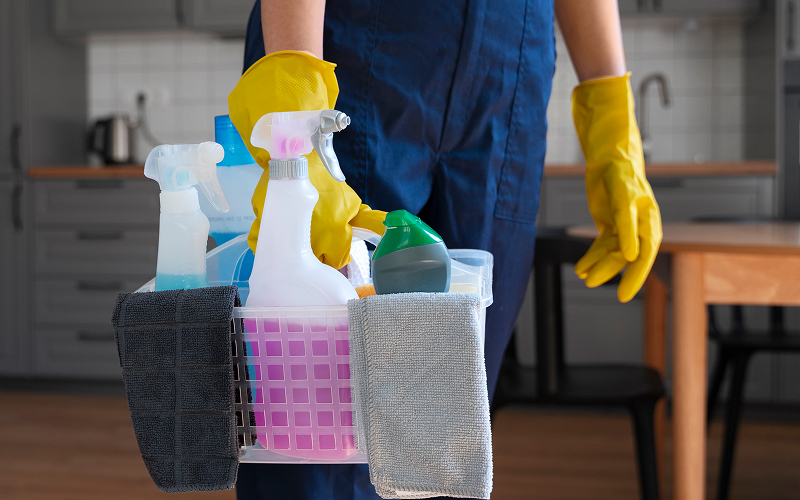
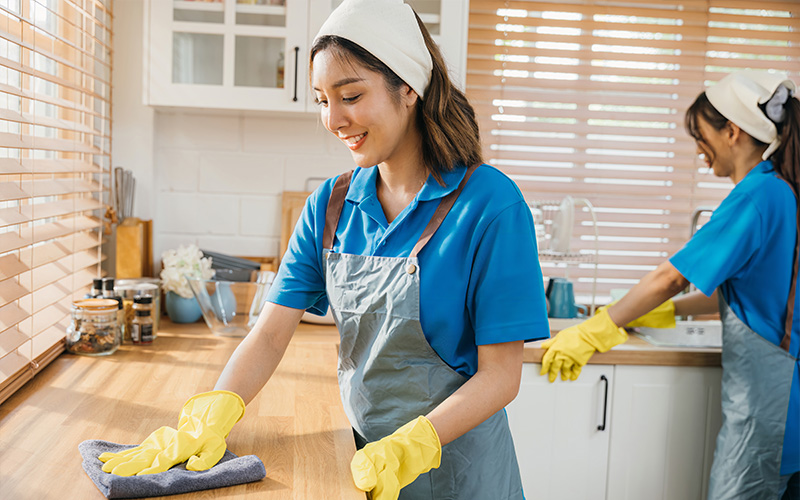
- Professional support can complement cleaning for a household with kids when deeper or more demanding tasks arise
Cleaning With Family: Building Safe and Sustainable Habits at Home
When you have kids, cleaning is not just about maintaining a tidy home.
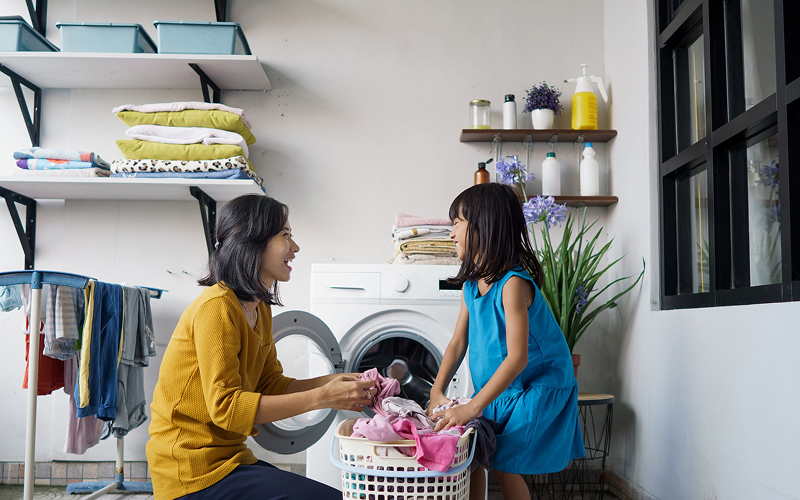
It presents an opportunity to build habits that shape how children understand responsibility, hygiene, and shared living. Everyone gets to contribute in a way that fits their age and ability; cleaning becomes part of daily life rather than a chore that falls on one person.
When tasks are matched to age and ability, cleaning becomes a constructive family routine rather than a source of stress or risk. This guide outlines suitable cleaning tasks by age group, how often they should be done, and what should be avoided to keep everyone safe.
Why Age-Appropriate Cleaning Matters for Safety and Habit Building
Children develop coordination, judgement, and risk awareness gradually. Assigning tasks that exceed their ability can lead to accidents, chemical exposure, or frustration. This is where a structured approach to household cleaning becomes important.
Age-appropriate cleaning helps children learn consistency and care while protecting them from hazards such as slippery floors, sharp tools, and strong cleaning agents. It also reinforces family cleaning habits that are manageable.
Clear boundaries around what children should and should not do are just as important as the tasks themselves. Over time, these boundaries evolve into routines that children carry into adulthood, shaping how they approach responsibility in shared spaces.
Younger Children (Ages 3–7): Simple Participation With Close Supervision
At this stage, cleaning is about participation and routine. Children are still developing motor skills and awareness, so tasks should remain simple, safe, and closely supervised.
Suitable Tasks and Frequency
- Tidying toys and books (daily)
- Wiping tables with a damp cloth after meals (daily)
- Dusting low, reachable surfaces with a soft cloth (weekly)
These small actions introduce the idea of contributing to a shared space without creating pressure.
What to Avoid
- Do not allow the use of cleaning chemicals, sprays, or disinfectant wipes
- Do not involve them in floor cleaning with water, which increases slip risk
- Do not expect unsupervised cleaning
- Do not assign tasks involving heat, glass, or electrical appliances
Keeping tasks simple helps build confidence and positive associations towards cleaning with family, rather than resistance.
Older Children (Ages 8–12): Guided Responsibility and Routine Tasks
As children grow, they become more capable of handling structured chores. This stage is ideal for strengthening a cleaning routine that involves the family through consistency and clear expectations.
Suitable Tasks and Frequency
- Sweeping floors or vacuuming small areas (2–3 times a week)
- Folding laundry and sorting clothes (weekly)
- Wiping bathroom counters with non-chemical cloths (weekly)
These tasks introduce responsibility while still allowing for guidance.
What to Avoid
- Do not allow mixing or handling of cleaning products
- Do not assign toilet or drain cleaning without supervision
- Do not allow the use of ladders or stools to reach high areas
- Do not expect independent handling of spills involving oil or chemicals
At this stage, supervision remains important. Clear instructions and repetition help reinforce safe and consistent cleaning habits with your family.
For more demanding cleaning tasks, such as deep cleaning bathrooms or kitchens, some families choose to rely on a home cleaning service to handle higher-risk work while children focus on age-appropriate responsibilities.
Teens (Ages 13+): Greater Independence With Defined Limits
Teenagers are capable of taking on more complex cleaning responsibilities and may even help guide younger siblings. This is where cleaning with the family begins to resemble shared household management.
Suitable Tasks and Frequency
- Vacuuming and mopping floors (weekly)
- Cleaning mirrors, windows, and glass surfaces (weekly or bi-weekly)
- Managing rubbish, recycling, and pantry organisation (daily or weekly)
These tasks build independence and accountability.
What to Avoid
- Do not mix cleaning chemicals, even if labels seem familiar
- Do not use bleach or strong degreasers without guidance
- Do not clean in poorly ventilated spaces
- Do not rush tasks involving wet floors or heavy equipment
Even as independence increases, safety guidelines remain essential. Reinforcing these limits ensures that cleaning routines stay effective and safe.
When workloads increase, especially during festive periods or major home resets, engaging residential cleaning services in Singapore can help maintain standards without overwhelming the household.
Building a Sustainable Cleaning Routine
Building a sustainable system for cleaning with family requires more than assigning tasks. It involves creating a rhythm that fits naturally into daily life.
Start by keeping tasks small and consistent. Daily habits such as tidying, wiping, and organising are more effective than occasional deep cleaning sessions. This reduces resistance and makes cleaning feel manageable.
Next, align tasks with routines. For example, tidying after meals or organising before bedtime helps integrate cleaning into existing habits rather than adding extra steps.
Finally, recognise that not every task needs to be done in-house. Larger or more intensive cleaning tasks can be outsourced occasionally. Services such as a spring cleaning service can support your household during peak periods, allowing your family to focus on maintaining everyday routines.
Frequently Asked Questions
1. When should children start helping with cleaning?
Children can begin as early as age 3 with simple tasks like tidying toys. The focus should be on participation rather than results.
2. How do I keep children motivated to clean?
Consistency and clear expectations help. Keeping tasks short and achievable makes cleaning feel less like a burden.
3. Should children use cleaning products?
Young children should avoid all cleaning chemicals. Older children and teens can be introduced to basic products with supervision, but strong chemicals should remain restricted.
4. How often should family cleaning tasks be done?
Daily light tasks combined with weekly routines work best. This creates a manageable and sustainable cleaning routine.
5. What if we do not have time to clean regularly?
It is common for busy households to need support. With kids, a combination of household cleaning and the occasional professional help can keep your home well-maintained without added stress.
Conclusion
Cleaning with family is not about achieving perfection. It is about creating a shared system where everyone contributes in a way that is safe, realistic, and sustainable. When tasks are aligned with age and ability, cleaning becomes part of everyday life rather than a recurring challenge.
At G Journey, we support families in maintaining clean and comfortable homes through flexible, professional services. Whether you need help with deeper cleaning or ongoing upkeep, our team works alongside your household routines to reduce workload and maintain a safe environment.
Contact us if you are looking for reliable support to complement your family’s cleaning routine. Find the solution that fits your home and lifestyle today.