Key Takeaways:
- Cleaning hazards are not limited to industrial settings. Everyday household products can pose risks if used incorrectly.
- Understanding cleaning labels and hazard symbols on cleaning products helps prevent misuse and accidental exposure.
- Mixing chemicals, poor ventilation, and overuse are among the most common causes of avoidable harm.
- Simple habits such as proper dilution, storage, and ventilation significantly reduce risk.
- When in doubt, structured support such as a professional cleaning service can help maintain both hygiene and safety standards.
Cleaning Hazards Explained: Do’s and Don’ts of Using Cleaning Products
Household cleaning products are essential for maintaining hygiene, but many contain chemicals that can pose health and safety risks if used improperly. In Singapore, where homes are often enclosed and air-conditioned, fumes can linger longer, making safe usage even more important.
Understanding product labels, hazard warnings, and safe handling practices helps reduce exposure to harmful substances and keeps your home cleaner and safer. This guide outlines the key cleaning risks, how to interpret warning information, effective safety measures, and everyday do’s and don’ts for household cleaning.
What Are Cleaning Hazards And Why They Matter
Cleaning hazards refer to the potential health, chemical, or physical risks associated with the use, storage, and mixing of household cleaning products. Many common cleaners contain solvents, bleaches, acids, and disinfectants that effectively remove dirt but can also irritate the skin, eyes, and respiratory system.
In Singapore households, frequent mopping, bathroom cleaning, and kitchen degreasing are part of daily routines. Over time, repeated exposure to strong cleaning agents, especially in bathrooms without windows or kitchens with limited ventilation, can lead to discomfort such as headaches, throat irritation, or skin sensitivity.
Recognising that even routine cleaning can carry risk is the first step towards safer practices.
Understanding Chemical Hazard Warning Labels
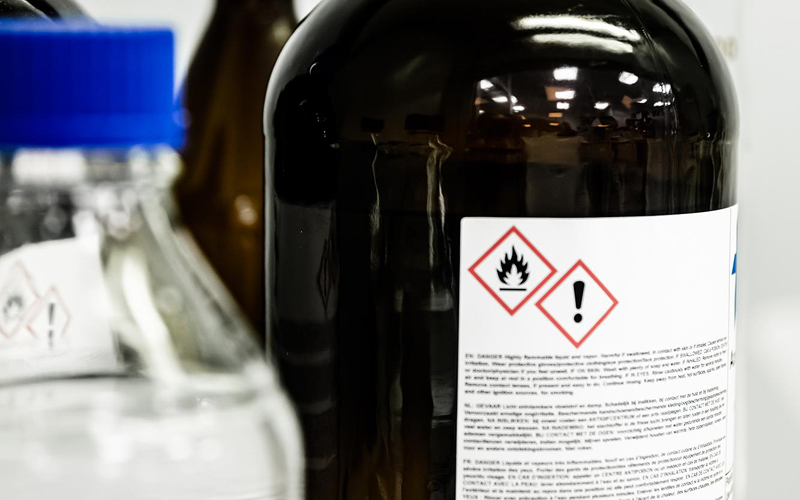
Most cleaning products include hazard warning labels, pictograms, and signal words that indicate risk. These chemical hazard signs are designed to communicate safety information quickly, even without reading full instructions.
Common Hazard Symbols on Cleaning Products
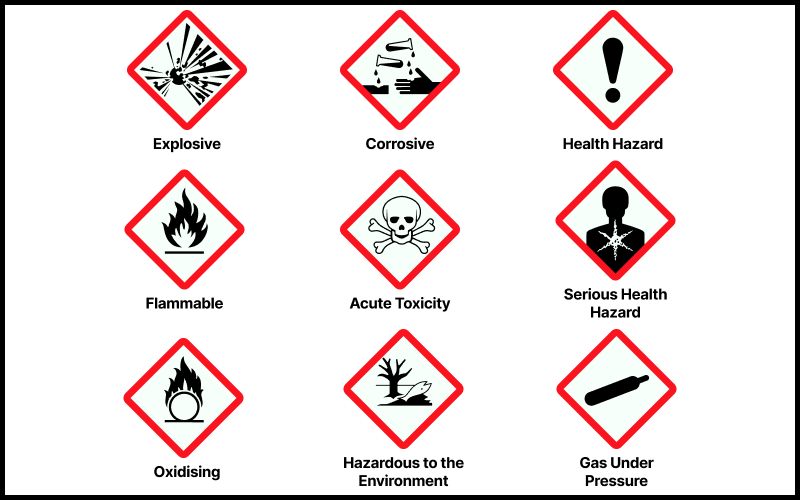
Signal Words and What They Mean
- Caution: Lower level risk, but still requires careful handling
- Warning: Moderate hazard, avoid misuse
- Danger: High risk, requires strict adherence to instructions
Why Understanding Cleaning Labels Matters
Understanding cleaning labels helps you interpret instructions such as dilution ratios, ventilation requirements, and surface compatibility. This reduces the likelihood of overuse, accidental mixing, or damage to surfaces like marble countertops, laminate flooring, or glass panels commonly found in Singapore homes.
Common Risks and Practical Safety Measures
Using cleaning products without proper precautions can lead to a range of issues, from mild irritation to more serious reactions. These risks are often preventable with simple adjustments.
Common Cleaning Risks
- Skin irritation from prolonged contact with detergents
- Respiratory discomfort from inhaling fumes in enclosed spaces
- Chemical reactions from mixing products such as bleach and ammonia
- Residue build-up on frequently used surfaces like dining tables or countertops
Practical Safety Measures
- Ensure ventilation: Open windows or switch on exhaust fans, especially in bathrooms and kitchens
- Use protective gear: Gloves are essential for handling stronger cleaning agents
- Follow dilution instructions: Over-concentrating solutions increases exposure without improving effectiveness
- Avoid product mixing: Even common combinations can produce harmful gases
- Store products properly: Keep in original containers and away from food storage areas
For households that schedule periodic deep cleans, a structured spring cleaning service can also help manage accumulated grime safely without overusing harsh chemicals.
Do’s and Don’ts of Using Cleaning Products Safely
The precautionary steps discussed earlier form the foundation of safer cleaning, but they are only effective when applied consistently in everyday routines. Many cleaning hazards arise not from a lack of awareness, but from small lapses in habit, such as skipping label checks, using excess product, or cleaning in enclosed spaces without ventilation.
Building on these measures, adopting a consistent approach to how cleaning products are used, stored, and applied helps minimise exposure to unnecessary risks over time. Translating general safety principles into simple, repeatable actions makes it easier to maintain both hygiene and safety across different areas of the home.
Do’s
- Do read and follow labels before use
- Do match the product to the surface
- Do clean in well-ventilated areas
- Do rinse surfaces after applying chemicals
- Do keep cleaning tools and solutions organised, especially in shared households
Don’ts
- Don’t mix different cleaning products
- Don’t spray chemicals near heat sources such as stovetops
- Don’t leave concentrated spills unattended
- Don’t transfer cleaning liquids into unlabelled bottles
- Don’t overuse disinfectants on surfaces that do not require them
In many Singapore homes, it is common to reuse spray bottles or store diluted solutions for convenience. While practical, this increases the risk of misidentification or degradation of the product over time, making proper labelling essential.
Local Habits That May Increase Risk While Cleaning
Certain everyday habits in Singapore households can unintentionally increase cleaning hazards:
- Frequent use of strong disinfectants due to humid weather and mould concerns
- Cleaning multiple times a day, especially in homes with children or elderly family members
- Using air-conditioning while cleaning reduces ventilation and traps fumes indoors
- Combining products for a “stronger effect” is a common misconception that can be dangerous. Different cleaning agents are formulated to work independently, not together. When mixed, their active ingredients can react unpredictably and produce harmful by-products.
Understanding these patterns helps homeowners make safer adjustments without compromising cleanliness.
When Safe Cleaning Becomes Difficult to Manage
While awareness helps, maintaining safe cleaning practices consistently can be challenging, especially for busy households or larger homes. Time constraints often lead to shortcuts such as skipping dilution steps, using excessive product, or cleaning without proper ventilation.
For households that require flexibility, hourly cleaning services in Singapore can provide structured support while ensuring that cleaning is carried out with proper methods and attention to safety considerations.
Cleaning Safely Without Compromise: How G Journey Supports Your Home
Cleaning hazards are part of everyday household maintenance, but they can be managed with the right knowledge and approach. Safe cleaning is not about using more products, but about using them correctly, consistently, and with awareness of their impact.
At G Journey, we provide professional cleaning that prioritises both cleanliness and safety. Our team is trained in handling different cleaning products and applying the right techniques for various surfaces commonly found in Singapore homes.
Contact us when managing cleaning safely feels overwhelming. Let us help you maintain a comfortable home while reducing unnecessary exposure to hazards.