Key Takeaways:
- Dust allergies at home are driven more by allergen build-up than by visible dirt.
- Cleaning frequency for dust allergies matters more than occasional intensive cleaning.
- Daily cleaning for allergies focuses on disturbance control, not full-room cleaning.
- Managing dust allergies requires attention to soft furnishings, air flow, and tools.
- Professional cleaning support can help maintain consistency during high-dust periods.
Understanding Dust Allergies at Home and Cleaning Frequencies
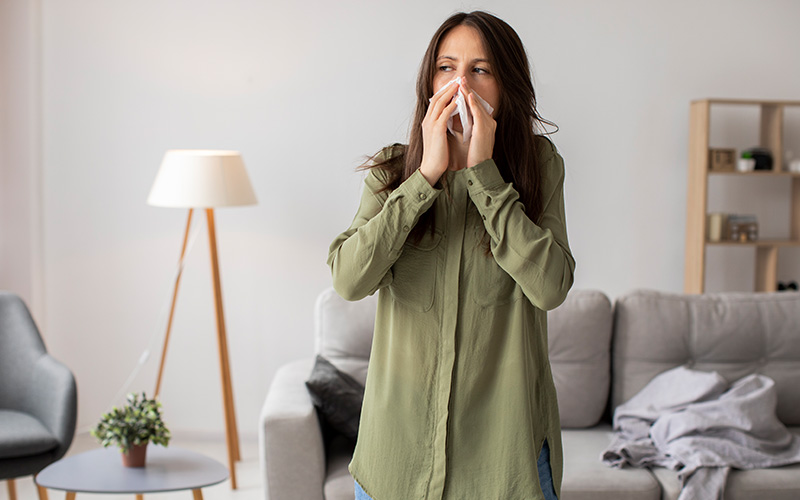
Dust allergies at home are a common concern, particularly in humid, indoor-centric environments such as Singapore. Symptoms such as sneezing, nasal congestion, itchy eyes, or aggravated asthma are often linked not to dust itself, but to dust mites and the fine particles they leave behind. These microscopic allergens thrive in bedding, carpets, curtains, and upholstered furniture, especially where warmth and moisture are present.
One of the most common misconceptions is that dust allergies can be controlled through occasional “big cleans.” In reality, allergens rebuild quickly. Cleaning frequency for dust allergies plays a larger role than intensity alone. Regular disruption of dust accumulation reduces how much allergen that becomes airborne, which in turn lowers daily exposure for sensitive individuals. The goal is not a spotless home, but a consistently lowered allergen baseline.
Daily and Weekly Cleaning That Supports Allergy Control
Daily cleaning for allergies does not require scrubbing every surface. It focuses on preventing settled dust from becoming airborne.
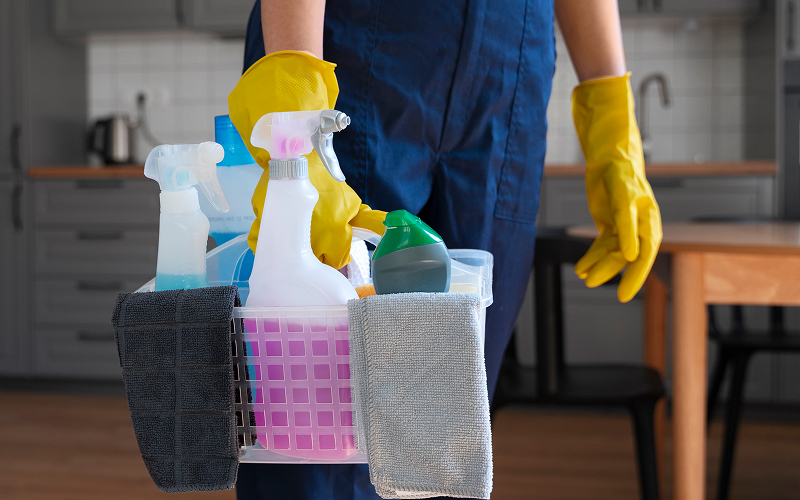
Daily actions are most effective when they are targeted. Light wiping of horizontal surfaces such as bedside tables, work desks, dining tables, and kitchen counters using a damp microfibre cloth helps capture dust rather than spreading it. Dry dusting is often counterproductive, as it redistributes allergens into the air.
Every two to three days, vacuuming floors and rugs in bedrooms and living areas helps limit dust build-up. Vacuums fitted with HEPA or fine-particle filters are preferred, as they reduce the amount of allergen expelled back into the room. Weekly routines should include washing bed linen in hot water, ideally at 60°C, which helps reduce dust mite populations. Ceiling fans, light fittings, and window sills should also be wiped weekly to prevent dust from resettling after cleaning.
For households that struggle to keep up due to work or caregiving demands, structured support from house cleaning services in Singapore can help maintain these intervals without disrupting daily routines.
Monthly and Seasonal Deep Cleaning to Reduce Hidden Allergens
While frequent surface cleaning keeps allergen levels manageable, some areas require deeper attention on a less frequent basis. Monthly tasks should include vacuuming mattresses, fabric sofas, and curtains, all of which act as dust reservoirs. Cushion covers and removable fabric covers should be washed according to care labels, while air-conditioner filters and vents should be cleaned regularly to prevent dust from circulating indoors.
Seasonal deep cleaning addresses areas that are often overlooked. Dust accumulates under beds, behind large furniture, along skirting boards, and behind appliances where airflow is minimal. Carpets and rugs may also require steam cleaning or professional treatment to remove embedded allergens. This is where a spring cleaning service can be particularly useful, as it focuses on thorough dust removal across the entire home rather than surface-level tidying.
Cleaning Tools, Safety Precautions, and Allergy-Friendly Practices
The steps involved in cleaning influence whether dust allergies are being managed effectively. A common misconception is that stronger chemicals improve allergy outcomes. In reality, heavily fragranced or harsh cleaning products can irritate airways and worsen symptoms. Mild, low-scent detergents and simple cleaning agents are often better tolerated.
Cleaning tools should be maintained carefully. Microfibre cloths and mop heads should be washed after each use, as reused dirty tools can redeposit allergens. Vacuum bags should be emptied frequently, and filters cleaned or replaced according to manufacturer recommendations. Masks and gloves may be helpful during cleaning for individuals with severe allergies, particularly when vacuuming or handling dusty fabrics.
Good ventilation during and after cleaning helps reduce airborne particles. Opening windows briefly or using air purifiers after cleaning can help clear disturbed dust from the air.
Common Misconceptions About Dust Allergies at Home
Several beliefs about dust allergies at home can undermine effective allergy management. One is that air purifiers alone can replace cleaning. While purifiers help reduce airborne particles, they do not remove settled dust where mites live. Another misconception is that visible cleanliness equals allergen control. Dust allergens are microscopic and can persist even in tidy spaces.
Some also believe that less cleaning is better to “avoid stirring up dust.” While aggressive dry dusting should be avoided, regular damp wiping and vacuuming reduce overall allergen levels over time. Consistency remains the key factor.
When Extra Support Makes Sense
Maintaining an effective cleaning frequency can be challenging, especially in larger households or during peak allergy seasons. Flexible options such as hourly cleaning services allow households to focus effort on high-risk zones like bedrooms, upholstery, or air-conditioner maintenance without committing to full-day cleans.
Contact us to maintain a healthier indoor environment without disrupting your routine. A well-structured approach to managing dust allergies combines realistic routines, correct tools, and appropriate support. When cleaning frequency aligns with how dust actually accumulates, homes become more comfortable and easier to breathe in. Speak with our team to discuss a cleaning plan tailored to your home’s needs and allergy concerns today.