Key Takeaways:
- Bathroom cleanliness is not just about appearance. Hygiene issues often develop in hidden, damp, or high-touch areas.
- Persistent odours, mould, and surface residue are early warning signs that routine cleaning is no longer enough.
- A simple bathroom hygiene inspection helps identify whether problems are surface-level or structural.
- Using a regular bathroom cleanliness checklist prevents small hygiene issues from becoming costly repairs.
- When multiple signs appear at once, professional support can restore hygiene more effectively than ad hoc cleaning.
Why Bathroom Cleanliness Matters More Than You Think
Bathroom hygiene goes beyond occasional wiping. A truly clean bathroom supports better health, reduces the spread of bacteria, and makes daily routines more comfortable. Many homeowners assume their bathroom is clean because it looks tidy, yet hygiene problems often build up in places that are not immediately visible. Asking yourself, “How clean is my bathroom?” regularly helps catch these issues early.
This guide highlights common signs of poor bathroom cleanliness, explains why they happen, and provides actionable steps and realistic cleaning frequencies so hygiene standards are easier to maintain.
Visible Build-Up and Stains on Bathroom Surfaces
One of the clearest indicators of declining bathroom cleanliness is visible residue on frequently used surfaces. This includes water marks and soap scum on tiles, shower screens, and floors, as well as discolouration around taps, drains, and corners. Yellowing or dark patches around the toilet base often indicate long-term moisture exposure mixed with bacteria.
These stains form when mineral deposits, body oils, and cleaning residue are not removed consistently. Over time, they bond to surfaces and become harder to clean.
To manage this effectively, wipe tiles and fixtures at least once a week using a gentle bathroom cleaner and microfibre cloths. Shower walls and floors benefit from descaling every one to two weeks, especially in homes with mineral-rich water. Drying surfaces after use also reduces how quickly residue forms. Consistent care keeps stains superficial rather than permanent.
When stains become embedded despite weekly wiping, it is often because residue has built up over time in grout lines, textured tiles, or uneven surfaces. In these cases, a structured home cleaning service can help reset bathroom cleanliness by addressing areas that routine surface cleaning struggles to reach, such as behind fixtures or along floor edges.
Persistent Odours and Poor Air Quality
Lingering smells are a strong signal that bathroom hygiene needs attention. If odours remain after flushing or ventilation, bacteria may be building up around the toilet bowl, under the rim, or near the base. Moisture trapped near drains, behind fixtures, or in grout lines also contributes to stale air.
For better hygiene control, clean the toilet thoroughly every two to three days, including under the rim and around the base. Shower and floor drains should be brushed or flushed weekly to remove trapped debris. Daily ventilation through windows or extractor fans helps moisture escape before it feeds bacterial growth.
When smells persist despite these measures, it often indicates deeper issues such as blocked drains or long-standing residue that routine cleaning cannot reach.
Bathrooms with recurring odours often need targeted attention rather than full-scale cleaning. In Singapore, hourly cleaning services allow focused hygiene work on toilets, drains, and ventilation zones without committing to a full-day clean. This approach is especially useful when smells persist even after regular maintenance.
Mildew and Damp Patches
Dampness is one of the biggest threats to cleanliness. Black or green patches along grout lines, silicone sealant, or shower curtains indicate active mildew growth. These areas remain moist for long periods, creating ideal conditions for spores to spread.
Common signs include discoloured grout, soft or damp corners, and patches that reappear soon after cleaning. To control this, scrub affected zones weekly using a bathroom-safe cleaner or diluted vinegar solution. After each shower, use a squeegee on walls and tiles to reduce lingering moisture. Leaving doors or windows open periodically improves airflow and drying.
Addressing moisture early limits mould growth and protects both hygiene and surface integrity.
Grime on High-Touch Fixtures and Contact Points
Bathroom hygiene is not limited to floors and walls. High-touch points such as tap handles, flush buttons, cabinet handles, and light switches accumulate germs quickly due to frequent contact. These areas often look clean but develop sticky residue over time.
Wipe these fixtures every two to three days using a disinfectant wipe or diluted cleaner. Monthly descaling helps remove soap film and mineral deposits. Always dry fixtures after cleaning to prevent water spots and renewed build-up. Maintaining these contact points reduces overall germ transfer within the bathroom.
High-touch fixtures are often cleaned inconsistently because they do not appear visibly dirty at first glance. Over time, residue builds up on tap handles, flush buttons, cabinet pulls, and light switches, increasing bacterial transfer across the bathroom. For households managing busy schedules, cleaning services in Singapore help maintain hygiene standards in these frequently contacted areas through regular, systematic attention that routine wiping often overlooks.
Bathroom Cleanliness Checklist for Self-Assessment
A simple cleanliness checklist for the bathroom makes it easier to assess whether hygiene is on track or slipping.
Toilet:
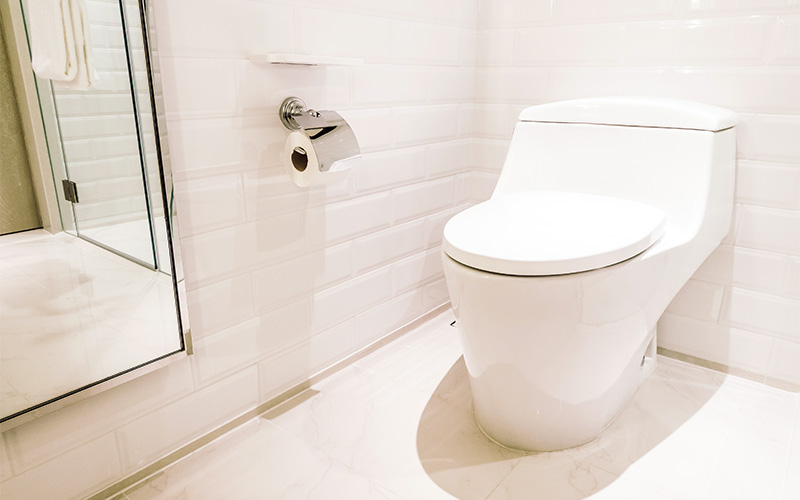
The bowl should be free from stains and rings, with the area under the rim cleaned regularly. The base and surrounding floor should show no yellowing, and the seat and flush handle should be wiped frequently.
Drains:
Drainage should be smooth with no gurgling sounds. There should be no lingering odours near the shower or floor drains, and hair or debris should be removed weekly.
Grout and Sealant:
Grout lines should be free from black or green stains. Silicone sealant should remain intact and evenly coloured, with no damp or soft patches around corners.
High-Touch Areas:
Tap handles should feel smooth rather than sticky. Flush buttons, cabinet handles, and light switches should be wiped every few days.
If several areas on this checklist require attention at the same time, it usually indicates that surface cleaning alone is no longer sufficient.
When Routine Cleaning Stops Being Enough
Many households reach a point where regular wiping and occasional scrubbing no longer restore cleanliness in the bathroom. Grime becomes embedded, odours persist, and mould returns quickly. This often happens in busy homes or shared bathrooms where time and energy are limited.
In these situations, professional support provides a more structured solution. Targeted deep cleaning focuses on high-risk areas such as grout lines, drains, fixture bases, and hidden edges that everyday routines struggle to maintain. This approach restores hygiene more effectively and helps prevent recurring issues.
Contact us to schedule a professional bathroom hygiene clean tailored to your home’s needs. Our trained teams address problem areas that routine cleaning often misses, helping restore cleanliness, comfort, and long-term hygiene confidence.